Supreme Court
The Supreme Court appears in Arthur Miller's Death of a Salesman not as a setting but as a benchmark of achieved professional distinction, a measure against which the Loman family's values and failures are implicitly judged. When Charley casually mentions that his son Bernard is about to argue a case before the Supreme Court, the revelation lands on Willy Loman with the force of a verdict, exposing the hollowness of the salesman's own lifelong creed of being "well liked" and the tragic gap between his dreams and reality.
Bernard's Achievement and Willy's Reaction
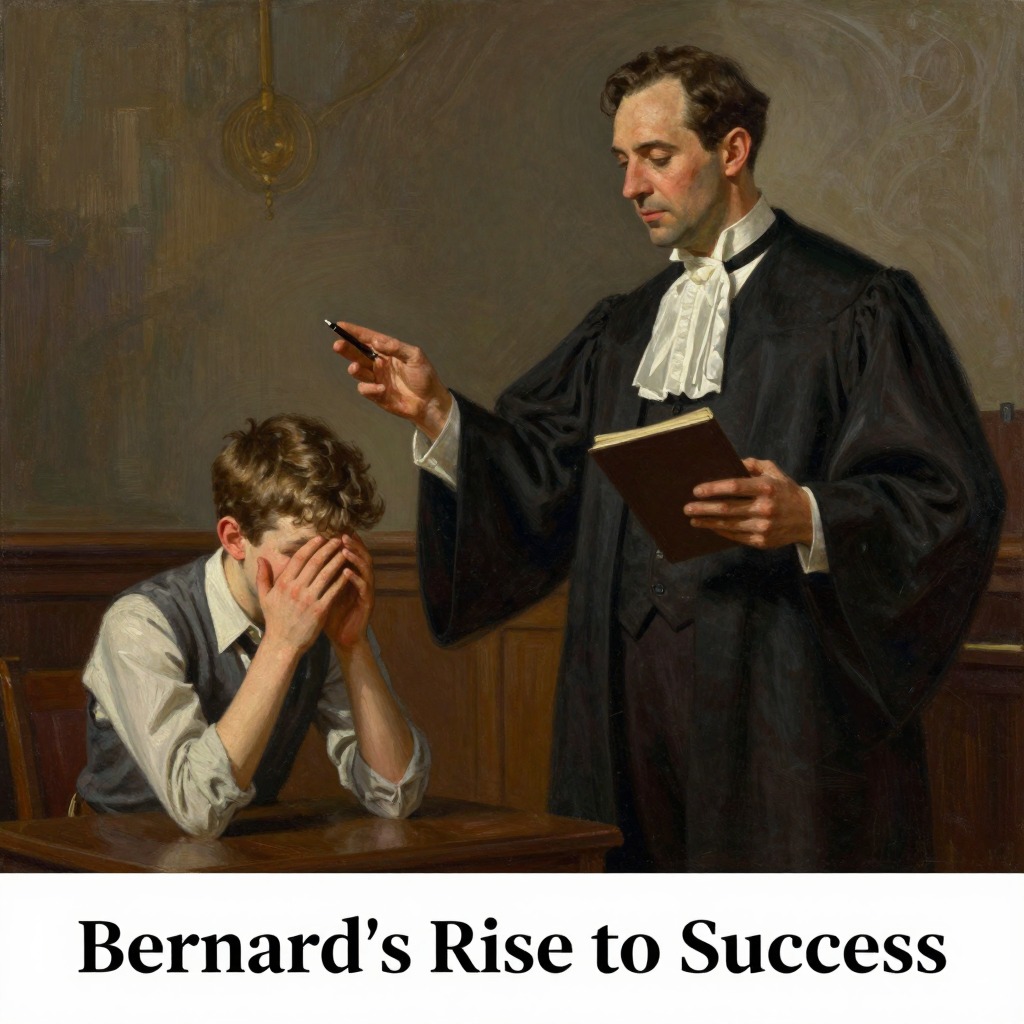
The Supreme Court is first invoked by Charley in his office, where he puts an arm on Bernard's shoulder and says, "How do you like this kid? Gonna argue a case in front of the Supreme Court." Bernard protests mildly, but the fact is confirmed. Willy Loman, who has just been fired by Howard Wagner and is borrowing money from Charley to pay his insurance, is "genuinely shocked, pained, and happy" at the news. He repeats the words in disbelief: "No! The Supreme Court!" The moment crystallizes the distance between the two families: Bernard, whom Willy once dismissed as an "anemic" and not "well liked," has reached the pinnacle of the legal profession, while Willy, who built his identity on being a successful salesman, has been discarded by his firm and can barely support his family.
Contrast with Loman Values
The Supreme Court reference functions as a structural irony within the play's critique of the American Dream. Throughout the first act, Willy actively discourages his sons from valuing academic achievement, telling them that Bernard "can get the best marks in school" but that in the business world Biff will be "five times ahead of him" because "the man who makes an appearance in the business world, the man who creates personal interest, is the man who gets ahead." Bernard's Supreme Court argument proves the opposite: disciplined study and genuine competence, not charm and popularity, lead to lasting success. Willy's own question to Bernard—"What's the secret?"—reveals his desperate, belated recognition that he never understood the rules of the game he was playing. Bernard's reply, "I wouldn't know that, Willy," is not evasive but honest: there is no secret, only the steady application of effort that Willy never taught his sons.
Thematic Significance
The Supreme Court serves as the play's most concrete emblem of a success that is neither inherited nor based on personal magnetism but earned through intellectual labor and moral integrity. Bernard's achievement is the antithesis of the Loman brothers' fantasies: Happy's empty boasts about becoming merchandise manager and Biff's failed scheme to borrow money from Bill Oliver. When Charley tells Willy that Bernard "don't have to" mention his Supreme Court case because "he's gonna do it," the line underscores the difference between genuine accomplishment and the Lomans' compulsive need to proclaim victories that have not yet occurred. The Supreme Court, in this context, becomes the standard of a reality-based success that Willy Loman, for all his dreams, could never reach and, in the end, could not even comprehend.